Israeli Occupation Fully Responsible For Martyrdom of Elderly Palestinian Political Prisoner One Week After His Release
on . Posted in slider
🔴 Israeli Occupation Fully Responsible For Martyrdom of Elderly Palestinian Political Prisoner One Week After His Release
Palestinian Prisoner’s Society & Commission of Detainees’ Affairs
February 2, 2026
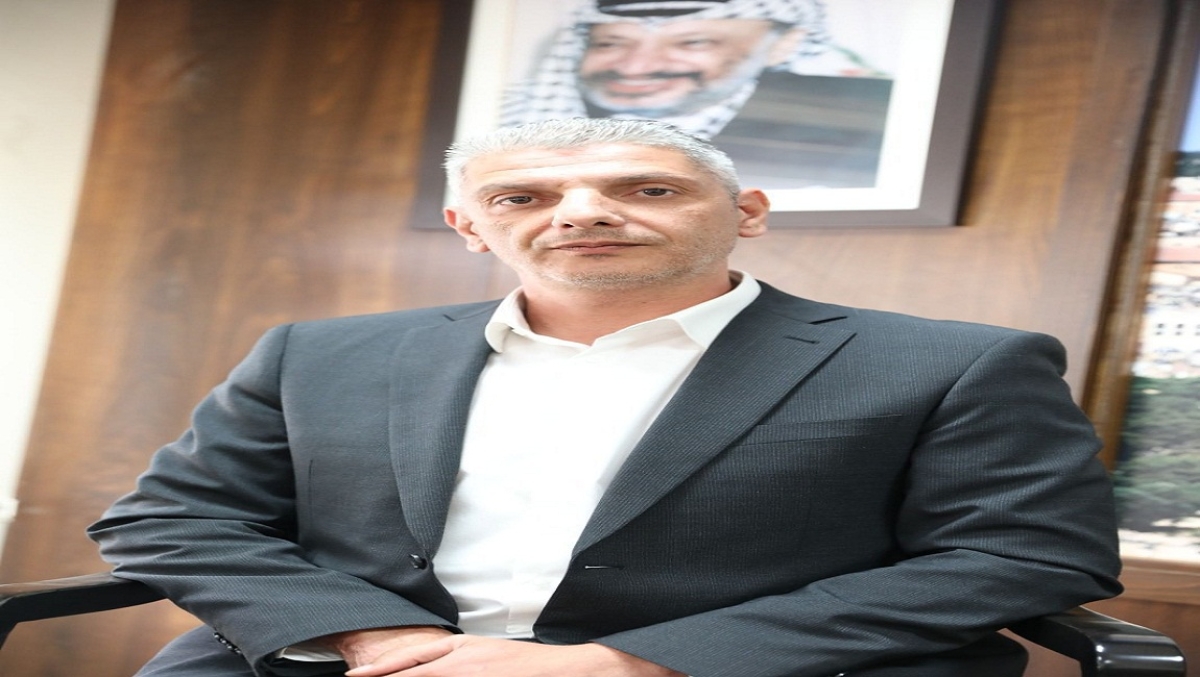
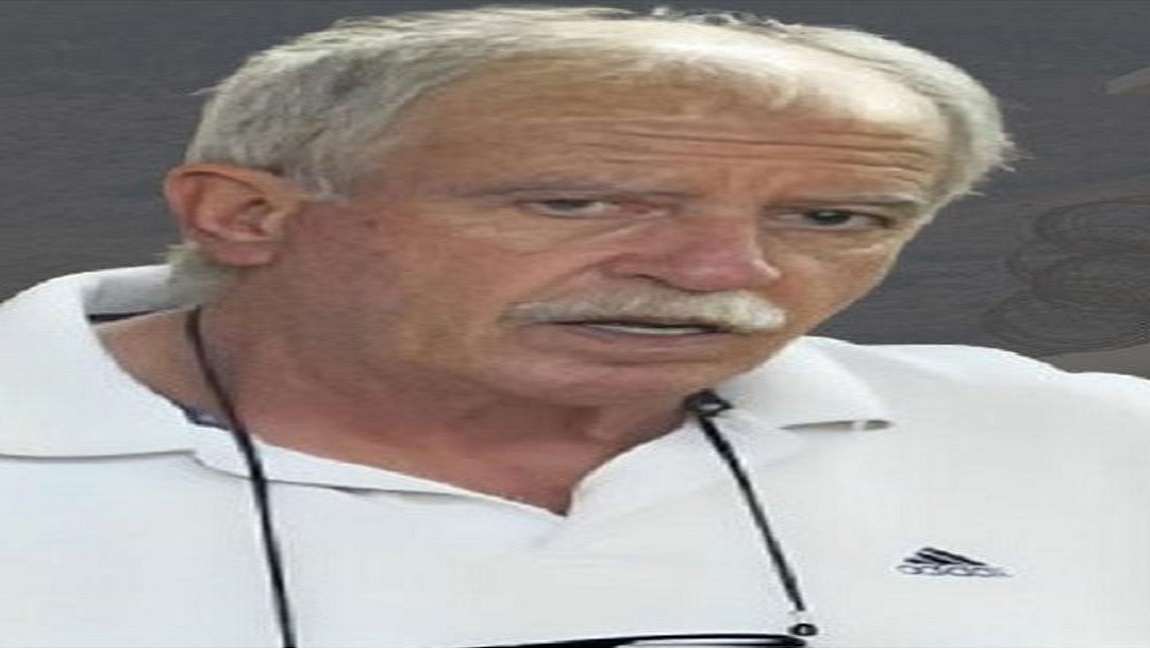
Ramallah, occupied Palestine - The Commission of Detainees’ Affairs and the Palestinian Prisoner’s Society (PPS) announced the martyrdom of freed Palestinian political prisoner and educator Khaled al-Saifi from Dheisheh Refugee Camp in Bethlehem, who was killed just one week after his release from Israeli occupation prisons.
Al-Saifi was released in an extremely critical medical condition, the direct result of systematic crimes committed against him during his most recent detention, which lasted four months under arbitrary administrative detention without trial or charge.
In a joint statement, the Commission and the PPS revealed that al-Saifi testified after his release that before his health sharply deteriorated and prior to his transfer from Ofer Prison to the so-called “Ramla Prison Clinic,” prison authorities injected him with a substance they claimed was an influenza vaccine. The injection caused severe inflammation and serious complications, after which he was given a second injection that further worsened his condition and necessitated his transfer to Ramla.
These facts provide clear evidence that the occupation deliberately targeted Al-Saifi for physical liquidation through a policy of “slow execution.” When prison authorities became certain that his health had irreversibly collapsed and that he was approaching death, they released him in an attempt to evade direct responsibility for his killing.
The two institutions affirmed that the martyr Khaled Al-Saifi—founder and director of the Ibda’a Cultural Foundation, and one of the most prominent cultural, social, and political figures in Dheisheh Camp—was a constant and deliberate target of the occupation. He was subjected to administrative detention twice since the start of the genocidal war, despite his advanced age, rapidly deteriorating health, and urgent need for medical care. This pattern confirms that his persecution was intentional and that the occupation was determined to eliminate him.
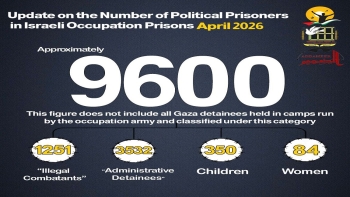
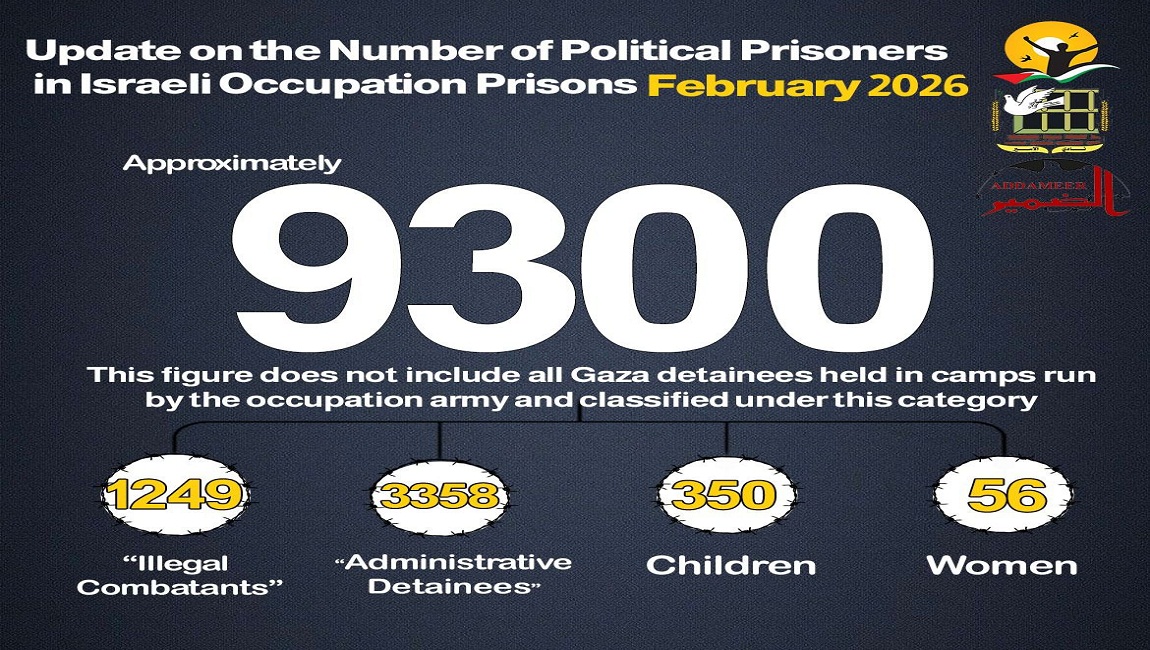
The Commission and the PPS further emphasized that al-Saifi had been repeatedly arrested since the 1980s and is one of thousands of former prisoners whose lives were consumed by arbitrary detention under Israel’s systematic administrative detention policy. This policy has reached unprecedented levels since the start of the genocide, with the number of administrative detainees now at its highest point in history. The occupation continues to imprison more than 3,380 administrative detainees, including women and children, without charge or trial, through the direct complicity of military courts that institutionalize this crime as one of the most dangerous tools of repression against Palestinians.
The two institutions stressed that the crimes committed against prisoners do not end at the prison gates. Their effects persist long after release, as the majority of freed prisoners—particularly in the current period—suffer from severe and often life-threatening physical and psychological conditions. Many require immediate and complex surgical interventions upon release, while others endure chronic illnesses and deep psychological trauma resulting from systematic torture, physical and sexual assaults, medical neglect, starvation, and policies that deliberately spread disease inside prisons.
Prisoners’ institutions held the occupation fully and unequivocally responsible for the martyrdom of Khaled Al-Saifi, affirming that he was deliberately killed. Since the start of the genocide, the occupation has killed more than 100 Palestinian political prisoners, with the identities of 87 of them officially announced by authorities. Dozens of martyrs from Gaza remain victims of enforced disappearance, as the occupation continues to conceal their fate. These crimes coincide with the actions of the extremist occupation government, which has openly adopted the execution of prisoners as a political program, advancing unprecedented legislation aimed at legalizing their execution.
In a final humanitarian gesture that embodied his steadfastness and moral clarity, the Commission and the PPS noted that the last request made by the martyr Khaled al-Saifi upon his release was to contact the families of Gaza prisoners, to reassure them about their ill sons detained in the Ramla Prison Clinic. He provided the phone numbers of their families—numbers he had memorized despite his suffering.
Glory to the martyrs Freedom for the prisoners

Palestinian Prisoners’ Institutions Condemn the Crime of Storming Birzeit University Campus
on . Posted in slider
Palestinian Prisoners’ Institutions Condemn the Crime of Storming Birzeit University Campus
January 6, 2025
Ramallah, occupied Palestine — Palestinian prisoners’ institutions strongly condemn the occupation forces’ storming of Birzeit University campus and their assault on the vigil called for by the student movement in solidarity with Palestinian political detainees held in occupation prisons, who are enduring harsh conditions of detention and systematic, escalating violations.
The incursion into the university campus—accompanied by the confiscation of student movement equipment, the firing of live ammunition and tear gas canisters, and the detention of the university’s Vice President for Academic Affairs—constitutes a blatant violation of the sanctity of educational institutions. It represents a direct and compounded attack on a range of fundamental rights, foremost among them freedom of opinion and expression and the freedom of trade-union and student activity, rights guaranteed under the rules of international law, particularly international human rights law.
Prisoners’ institutions affirm that these practices are not isolated incidents, but rather fall within the framework of a systematic colonial policy aimed at silencing the Palestinian voice, criminalizing acts of solidarity, and targeting educational spaces as central arenas of national and intellectual action. This occurs within the context of the comprehensive assault against the Palestinian people, including prisoners who have been facing extremely grave humanitarian conditions inside occupation prisons since the onset of the crime of genocide in Gaza.
Accordingly, prisoners’ institutions call upon the international community, as well as human rights and academic institutions around the world, to assume their legal and moral responsibilities and to take urgent action to condemn these serious violations, exert effective pressure on occupation authorities to halt their ongoing attacks on Palestinian universities, ensure protection for students and staff, and safeguard the right to expression and organization as an inseparable part of the right to freedom and human dignity.
Critical health conditions and violent crackdowns against detainees in “Negev” Prison
on . Posted in slider
Critical health conditions and violent crackdowns against detainees in “Negev” Prison
February 3, 2026
The Commission of Detainees’ and Ex-Detainees’ Affairs stated in a report released today, Tuesday, following a visit by its attorney, that a number of detainees held in “Negev” Prison are suffering from serious medical conditions.
Among them is detainee Izz al-Din Abu Hamdi (25) from the city of Jenin, who has an injury to his left eye dating back to 2012, which led to loss of vision. After undergoing several surgeries, his eyesight was restored. However, since his arrest, the detainee has been subjected to violent assaults, during which he was beaten on the head and eye, causing him to lose vision once again in his left eye and suffer severe visual impairment in his right eye.
As a consequence, the detainee has fallen repeatedly, injuring his head, back, and knees while heading to the bathroom.
The detainee also complains of intense head pain during the night, forcing him to cry out and moan due to the severity of the pain.
Despite the detainee’s blindness and his urgent need for medical treatment, the prison administration deliberately neglects his condition and fails to provide him with the necessary care.
Meanwhile, detainee Rami Abu Khalil (37) from Nablus suffers from a curvature of the spine. In addition, his medical eyeglasses were broken, and the prison administration refuses to provide him with a replacement. He also suffers from a torn meniscus in his left knee prior to his arrest and was supposed to undergo surgery, but his detention prevented that.
As for detainee Mohammad Waked (47) from the village of Arqa/Jenin, he suffers from inflammation and pain in the chest area as a result of being assaulted by the “Keter” units, who shot him with two rubber bullets at point-blank range.
The detainee said: “Last Tuesday, on 21/1/2026, prisoners in Section 3 of ‘Negev’ Prison were subjected to a brutal crackdown by the ‘Keter’ unit, during which they were beaten and their ribs were broken.”
He added: “The detention conditions are extremely harsh. Since the war began and until now, there has been no improvement in living conditions. They are virtually non-existent, and the life the detainees are forced to endure is unfit (even for dogs).”
It is worth noting that the detainee is serving a 28-year prison sentence, of which he has already completed 25 years.

Detainee Mustafa Hossam Al-Din Abu Rayala,36 from Nablus
on . Posted in slider
Detainee Mustafa Hossam Al-Din Abu Rayala,36 from Nablus


Occupation forces abuse two young men during arrest and interrogation
on . Posted in slider
Occupation forces abuse two young men during arrest and interrogation
January 4, 2026
The Commission of Detainees’ Affairs stated in a report released today, Sunday, that Israeli occupation forces persist in employing extremely violent and degrading practices against Palestinian detainees. The report notes that during arrest, detainees are exposed to multiple forms of physical and psychological abuse, including severe beatings, verbal insults, and humiliation.
The Commission presented testimonies from detainees who were assaulted at the time of their arrest, as conveyed by the Commission’s attorney, who visited a number of them, including the following cases:
Detainee Mohammad Abu Zeina (31 years old), from Jenin Refugee Camp, who is serving a six-year prison sentence, was subjected to violations by occupation forces after they stormed his workplace, a bakery in the town of Qabatiya. He was blindfolded, handcuffed, and taken to the “Dotan” military camp, before being transferred to the “Jalameh” interrogation center, where he was held for two months. During this period, he was repeatedly beaten and humiliated by interrogators.
The detainee said:
“The conditions inside the cells are extremely harsh and oppressive. There is no one to talk to, no window, and I had no awareness of time, as I did not see the sun at all throughout this period. The food is poor in both quality and quantity. Access to the bathroom is limited to once a day, and on some days bathing is completely denied. My head was shaved completely as a form of psychological abuse.”
The Commission indicated that after the interrogation phase, the detainee was transferred to Megiddo Prison and subsequently to Gilboa Prison.
Detainee Mohammad Abu Naeem (22 years old), from the town of Masiliya/Jenin, who is being held under a six-month administrative detention order, was arrested after occupation forces raided his home at approximately 1:00 a.m., blew open the door, blindfolded him, handcuffed his hands, and placed him inside a military jeep. He was then transferred to the “Jalameh” interrogation center. The following day, he was moved to Salem military camp and detained at the “Manasha” interrogation center for 45 days. He was later transferred to Megiddo Prison, where he was subjected to beatings and verbal abuse, before being moved to Gilboa Prison.
It should be noted that the detainee suffers from scabies and severe weight loss.
Severe Detention Conditions in Negev Prison
on . Posted in slider
Severe Detention Conditions in Negev Prison
February 3, 2025
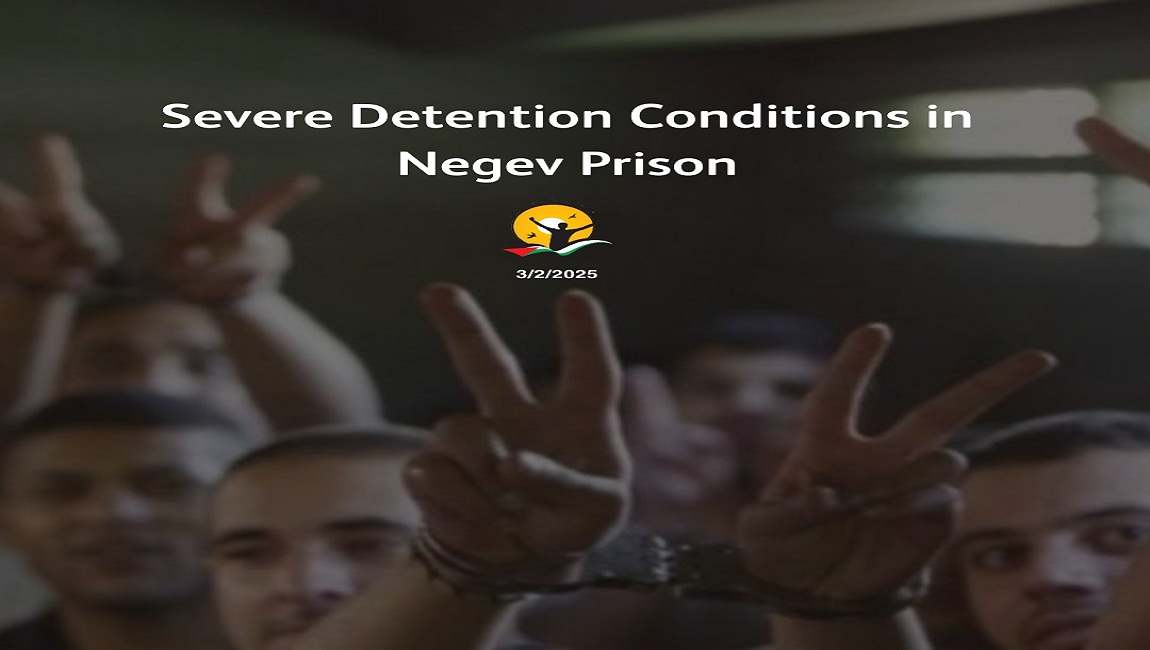
The Commission of Detainees’ and Ex-Detainees’ Affairs stated in a report issued today that detainees in Negev Prison are enduring extremely harsh conditions.
During a visit by the Commission’s lawyer, detainees described the situation as “something the human mind cannot comprehend.”
In outlining their daily suffering, detainees reported being subjected to beatings, insults, and almost daily searches. They also indicated that most detainees are transferred to cells on a daily basis. Regarding food, they said that the portions provided are very limited.
The Israel Prison Service has imposed further restrictions by allowing detainees to have only one plate and one cup, in addition to enforcing heavy financial fines on detainees.
In the same context, detainee Mo’men Hossam al-Din Touqan, 36, from Jenin, who has been detained since July 8, 2025, is suffering from scabies and fungal infections across various parts of his body. The Negev Prison administration continues to refuse to provide him with the necessary medical treatment or even painkillers. The detainee is also experiencing malnutrition, having lost 15 kilograms of his weight.

Elderly Palestinian Political Prisoner Martyred in Israeli Occupation’s Prisons Officials Disclose His Killing Three Months Late
on . Posted in slider
Elderly Palestinian Political Prisoner Martyred in Israeli Occupation’s Prisons
Officials Disclose His Killing Three Months Late
Palestinian Prisoner's Society & the Commission of Detainees' Affairs
January 11, 2026
Ramallah, occupied Palestine – Israeli occupation authorities have disclosed to Palestinian prisoner groups the martyrdom of the 67-year-old Palestinian political detainee Hamza Abdullah Abdulhadi Adwan who was abducted from the Gaza Strip in November 2024.
According to the response received by the Palestinian Prisoner’s Society (PPS) and the Commission of Detainees’ Affairs, Adwan lost his life on September 9, 2025. The manner in which he was martyred remains unknown due to the information blackout that occupation authorities continue to impose on Palestinian detainees since the genocide in Gaza.
Adwan was a husband, and a father to nine children, two of whom were martyred prior to the genocide. According to his family, occupation forces arrested him despite his suffering from health problems, including heart disease, and despite his need for continuous medical care.
The PPS and the Commission noted that Adwan is one of over a hundred prisoners who have been killed in Israeli occupation prisons through torture including rape, starvation, medical crimes, since the beginning of the genocide, as well as other crimes involving deprivation, looting, humiliation, and detention in conditions that undermine human dignity.
This brings the total number of identified martyred Palestinian prisoners since the occupation of 1967 to 324 people.
Many of Gaza’s killed detainees remain forcibly disappeared, along with dozens who were executed in the field. Images of prisoners’ corpses delivered after the ceasefire provided conclusive evidence of the systematic executions carried out by the occupation army against detainees.
The PPS and the Commission hold occupation authorities fully responsible for the martyrdom of detainee Hamza Adwan and renewed their call to the international human rights system to take effective measures to hold the leaders of the occupation accountable for war crimes committed against prisoners and the Palestinian people. They urged an end to the impunity granted by the United States and other international powers to the Israeli occupation system over many decades, which reached its peak with the genocide, despite irrefutable evidence of the occupation’s commission of genocide against the people of Gaza, in addition to war crimes and crimes against humanity committed against prisoners.
In this context, the PPS and the Commission emphasized that the crimes that the Israeli prison system continues to commit against prisoners form an inseparable part of the genocide in Gaza. Through these crimes, the occupation system seeks to carry out slow executions, making this period the deadliest in the history of the Palestinian prisoners’ movement. This comes as the occupation seeks to legislate a law to execute Palestinian prisoners, turning extrajudicial executions into a codified and “legalized” policy.
It should be noted that the vast majority of Palestinian political prisoners are people who are held without trial or charge, either under arbitrary administrative detention or classified by the occupation authorities as “illegal combatants.” According to available data, as of January 2026, the number of prisoners in Israeli occupation prisons exceeds 9,300, including 3,385 people under administrative detention and 1,237 people classified as “illegal combatants,” meaning that the overwhelming majority of detainees are held without charges or trials.

Three Detainees suffer from serious health conditions at “Ofer” and “Megiddo” Prisons
on . Posted in slider
Three Detainees suffer from serious health conditions at “Ofer” and “Megiddo” Prisons
December 28, 2025
The Commission of Detainees’ Affairs stated in a report released today, Sunday, following field visits carried out by its legal team, that a number of detainees held in Ofer and Megiddo prisons are suffering from health problems, among them the following cases:
Detainee Nader Al-Sheikh, from the town of Beit Surik / Ramallah, who is being held under a four-month administrative detention order, is experiencing severe dental pain as a result of physical assault during his arrest, which caused the upper dental cap to fall out. Despite his urgent need for treatment, the prison administration has failed to respond to his condition. He is currently detained in Ofer Prison.
Detainee Mohammad Khalaf (19), from Al-Amari Refugee Camp / Ramallah, held under a six-month administrative detention order, is suffering from pain in his left leg and requires medical care. He is also being held in Ofer Prison.
Detainee Ahmad Abed (18), from the city of Tulkarm, is experiencing dizziness, vomiting, and acute abdominal pain, in addition to severe constipation, following an emergency gallbladder operation performed at Afula Hospital. He is presently detained in Megiddo Prison.
The Commission placed full responsibility on the Israeli Prison Service for the continued pattern of medical negligence against Palestinian detainees, and urged international bodies, human rights organizations, and the International Committee of the Red Cross to carry out their duties and intervene effectively on behalf of the detainees.