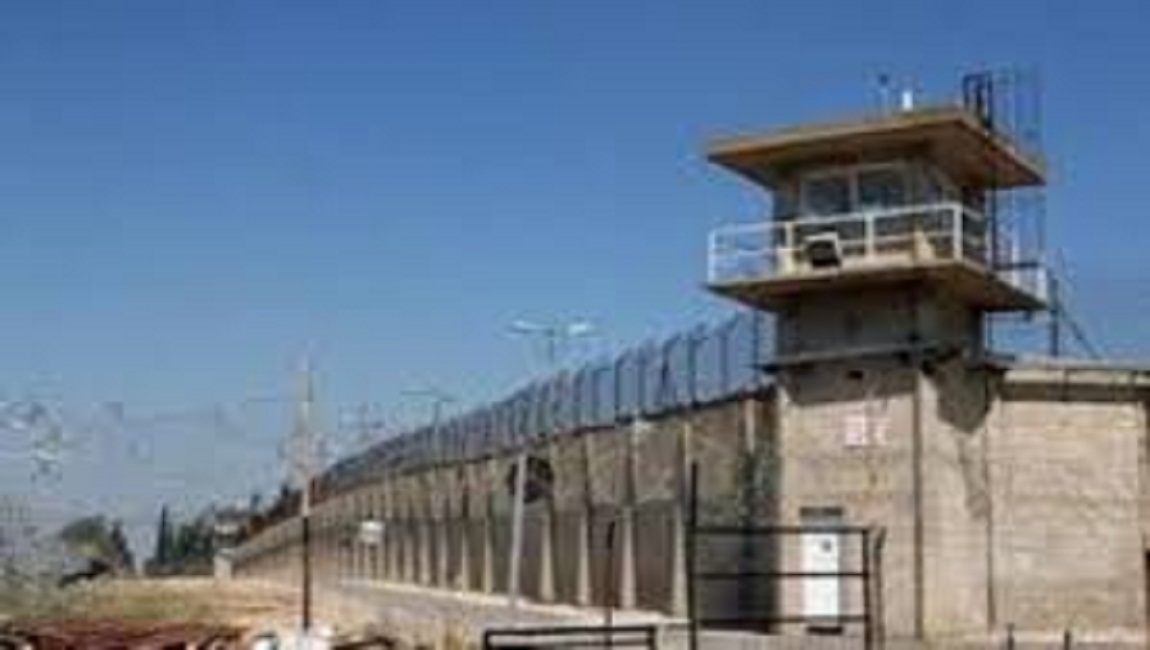
Commission of Detainees' Affairs: Harsh detention conditions devastate juvenile detainees in Megiddo prison
Commission of Detainees' Affairs: Harsh detention conditions devastate juvenile detainees in Megiddo prison
August 2, 2026
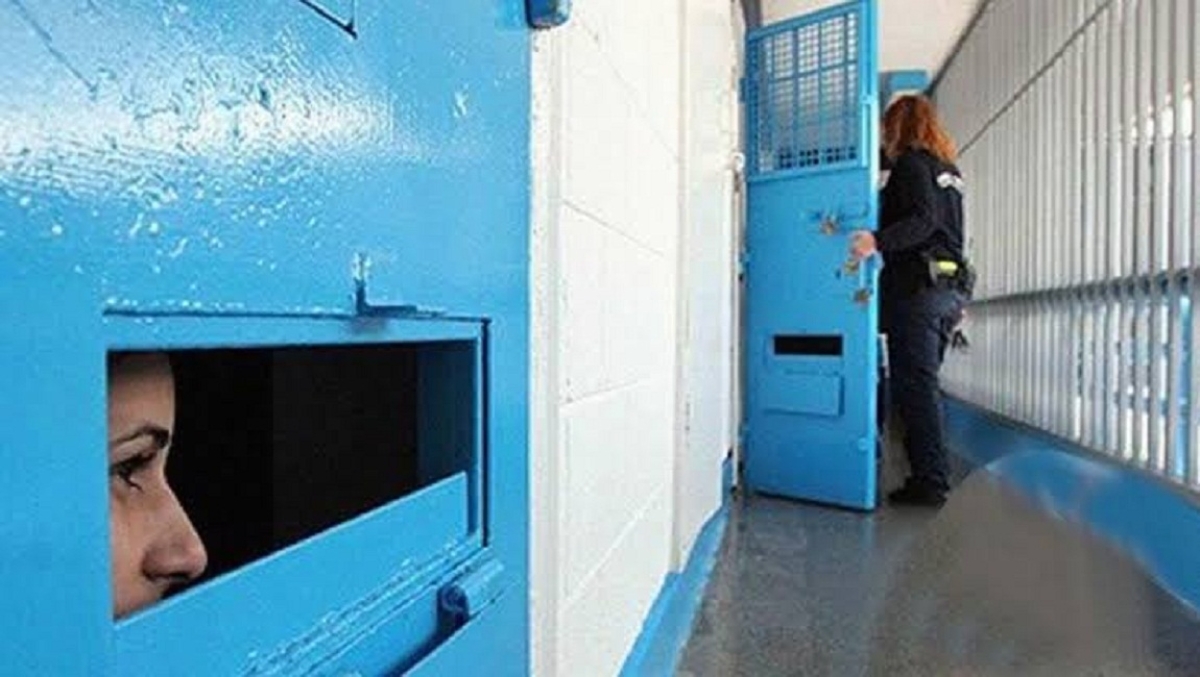
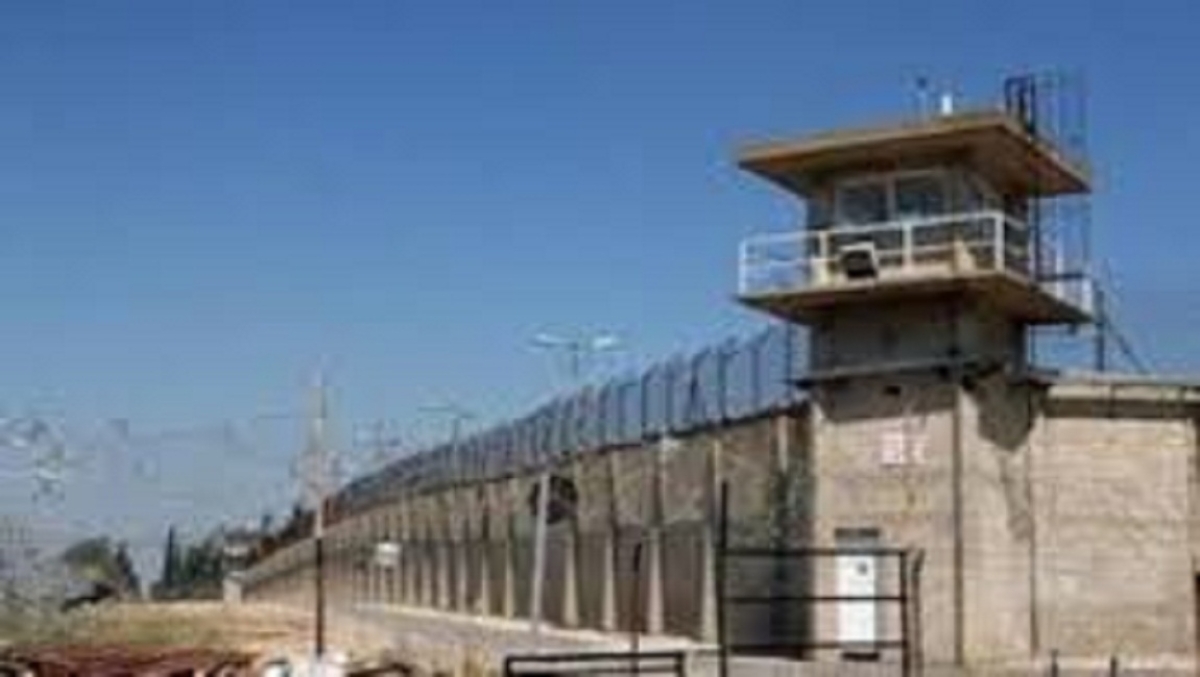
The Commission of Detainees' Affairs and Ex-Detainees Affairs stated in a report issued today, Sunday, that juvenile Palestinian detainees held in Megiddo Prison are enduring extremely harsh detention conditions that have robbed them their childhood.
The Commission's advocate reported that detainee Mohammad Arafat Sidqi Sawafta, a 20-year-old from Tubas Governorate who has been detained since 17 June 2025, is battling serious health conditions. He suffers from arthritis, in addition to a stomach virus and another viral infection affecting his eyes. Although he received treatment for the eye infection, his health remains so poor that he is forced to walk with the aid of a walker, reflecting the severity of the medical suffering he continues to endure in detention.
The report further noted that all detainees have experienced significant weight loss as a result of severe malnutrition. The food portions provided are extremely inadequate and fail to meet even their most basic nutritional needs for survival.
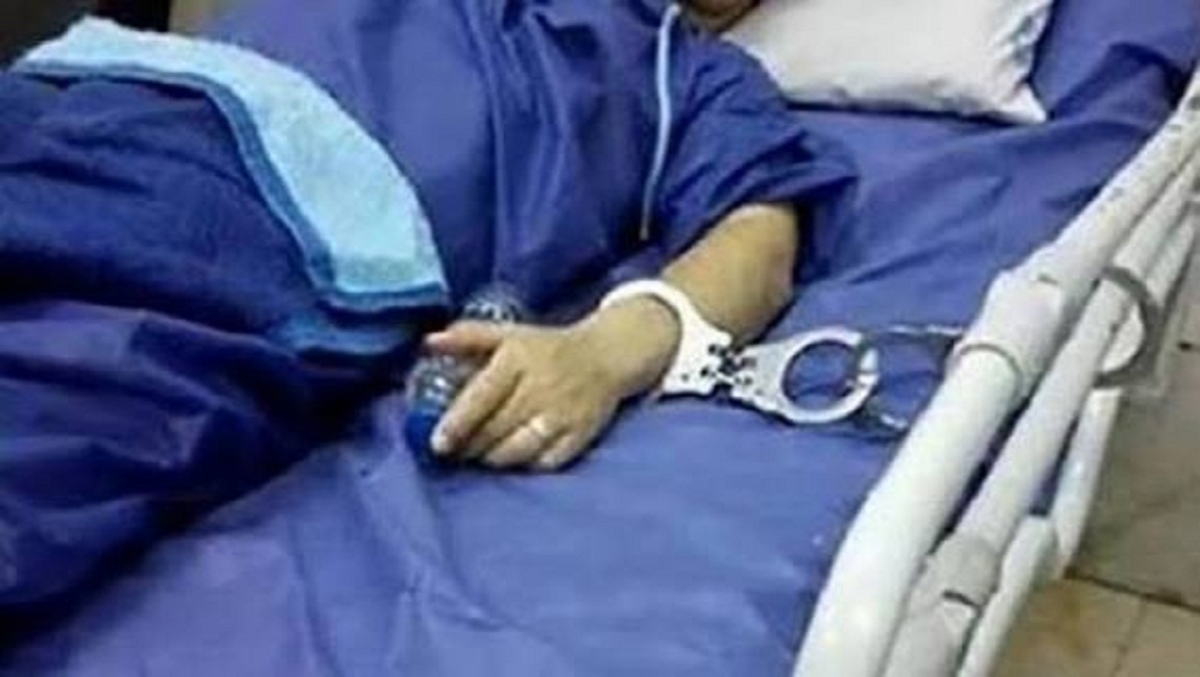
Describing the detention conditions, the Commission's advocate stated: "detainees are transferred while handcuffed despite repeated objections to this practice. As a result, signing documents becomes extremely difficult, and they are often unable even to hold the telephone used to communicate during legal visits, turning these meetings into exhausting experiences that fall far short of the minimum standards required for confidential and effective legal consultations."
Detainees in Megiddo also suffer from a severe shortage of cleaning supplies. Shower water is available for only one hour per day, and even then, not on a regular basis. The same applies to the daily outdoor exercise period ("yard time"), which is limited to no more than one hour and is not consistently granted. Drinking water is obtained directly from the taps, while each detainee possesses only a single set of clothing.
The days pass painfully slowly for the detainees, made even harsher not only by the deprivation of their liberty but also by the physical, humanitarian, and psychological suffering they endure. They continue to face hunger, humiliation, and deprivation of the most basic necessities required for a dignified human life.