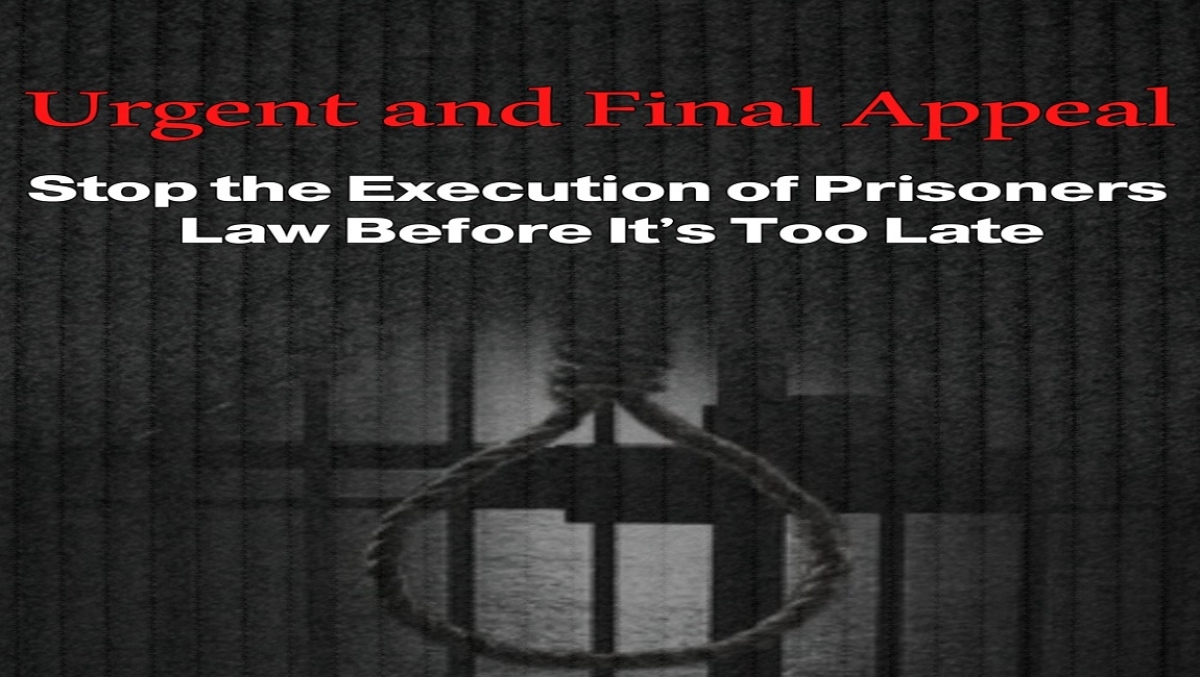
*Urgent and Final Appeal: Stop the Execution of Prisoners Law Before It’s Too Late*
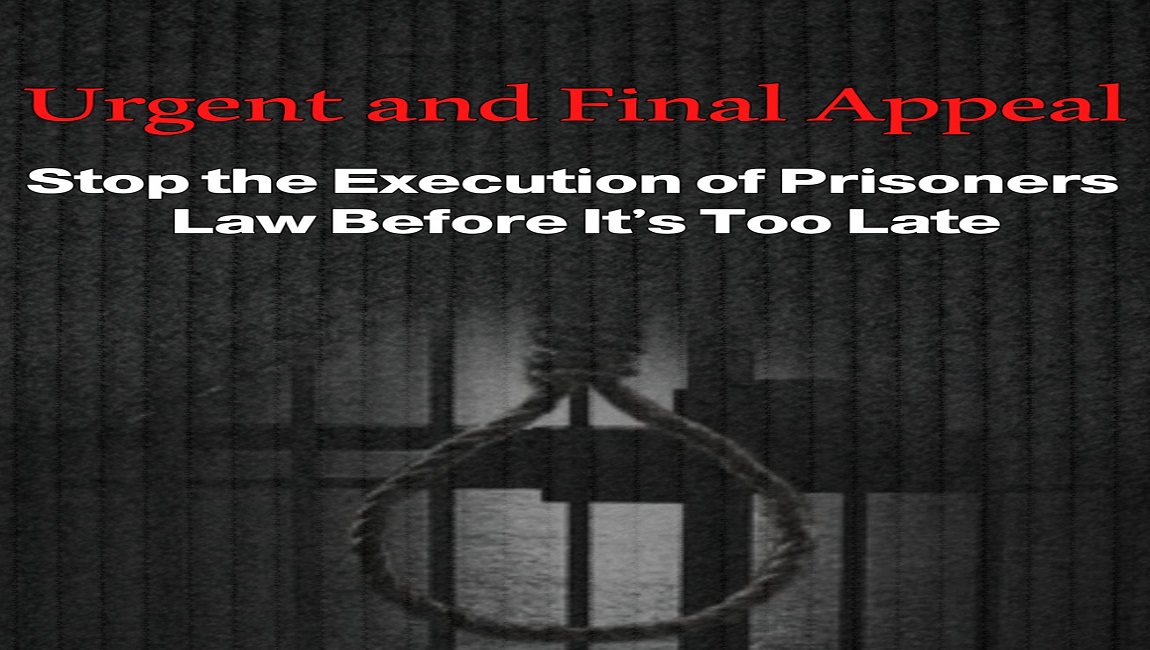
*Urgent and Final Appeal: Stop the Execution of Prisoners Law Before It’s Too Late*
 *Prisoner institutions have issued an urgent and renewed appeal to the free people of the world, calling for immediate action to stop the proposed law to execute Palestinian prisoners*
March 25, 2026
Against the backdrop of the ongoing Israeli settler-colonial system targeting Palestinian existence through the crime of genocide and systematic erasure operations spanning decades, this system is advancing its efforts to pass a law providing for the execution of Palestinian prisoners, capitalizing on the world’s preoccupation with the ongoing war.
In a dangerous escalation along this path, the so-called "National Security" Committee in the Knesset approved the prisoner execution bill in its final reading shortly before midnight last night, paving the way for it to be brought before the Knesset plenum for ratification during the upcoming week.
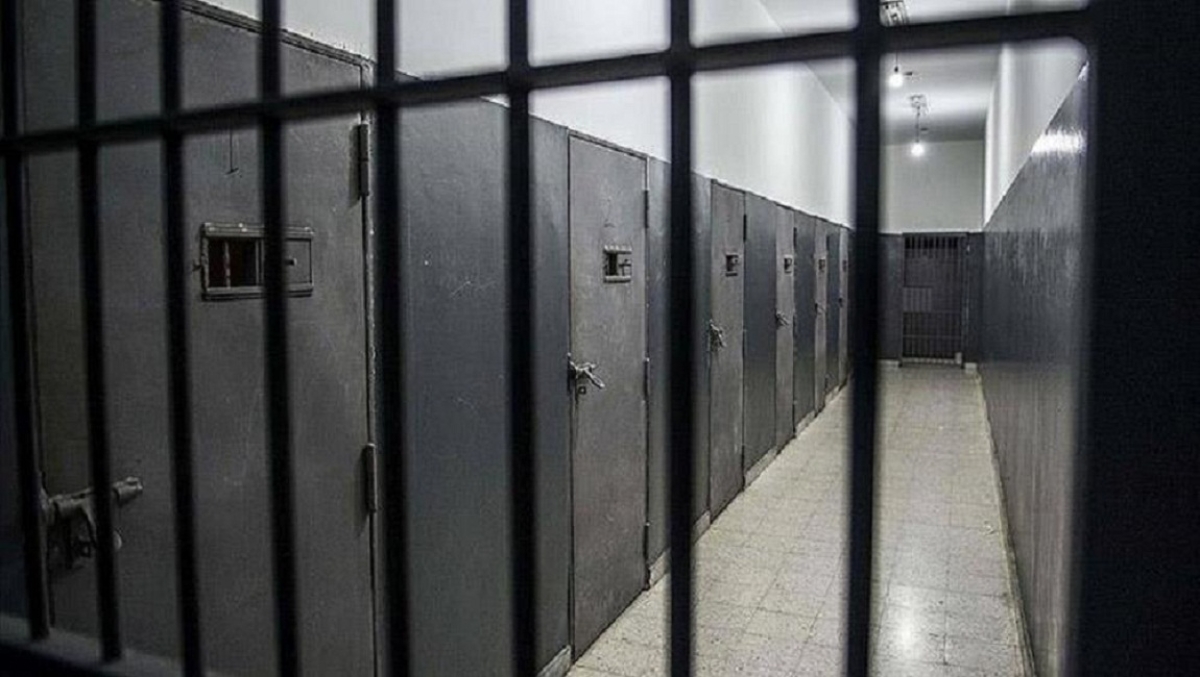
In the face of this dangerous development, prisoner institutions renew their final appeal to the international community to intervene urgently and effectively to stop this law before it is passed. They emphasized that over the past period, they have sent multiple messages to international human rights bodies, foremost among them the United Nations, in addition to communicating with representatives of states and diplomatic missions, to apprise them of the rapid and dangerous developments, both regarding the proposed law and the reality of the ongoing genocide within occupation prisons, which have been transformed into integrated systems of systematic torture aimed at killing more Palestinian prisoners.
The institutions stressed that the state of international complicity, systematic incapacity, and abandonment of legal and ethical responsibilities that characterized the international community's stance following the crime of genocide have led to dangerous transformations. These have provided the occupation system with additional cover to continue its escalation and expand the scope of its crimes, including targeting prisoners, with the execution law representing the peak of this ongoing genocidal trajectory.
The institutions affirmed a number of facts related to the proposed law, most notably:
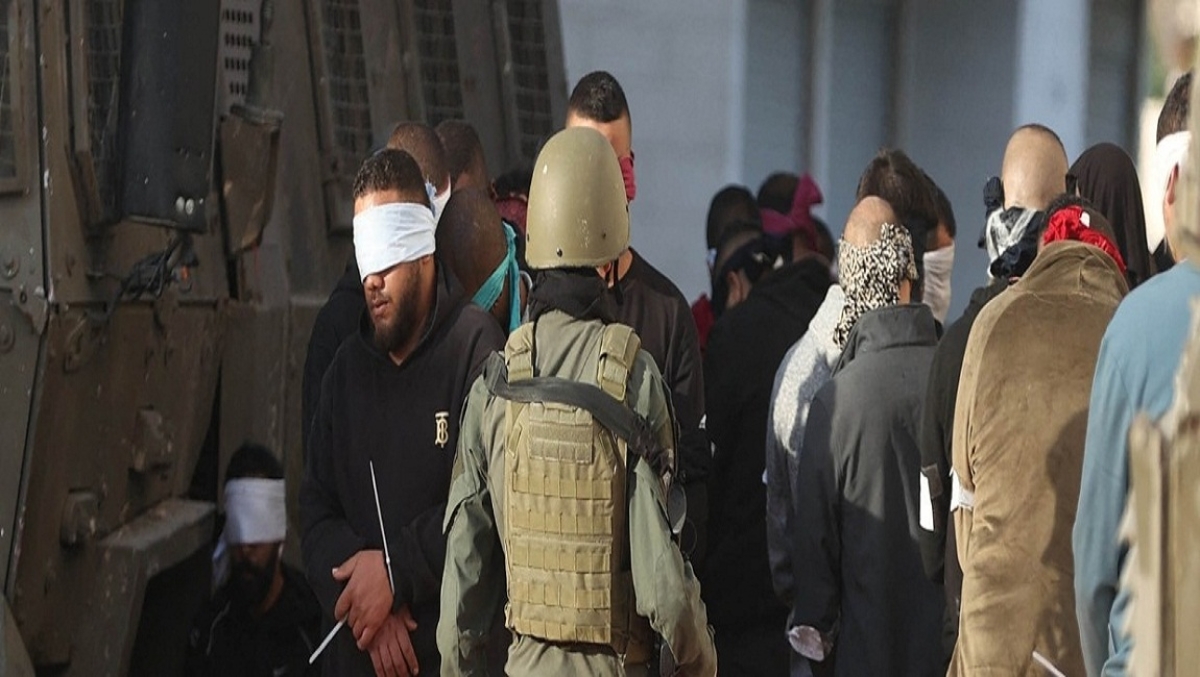
- The Israeli settler-colonial system has, for decades, practiced policies of slow execution against hundreds of prisoners inside prisons through systematic tools and methods that have resulted in the death of dozens. These policies have witnessed an unprecedented escalation since the beginning of the genocide war, making the current period the bloodiest in the history of the Palestinian prisoner movement. The number of prisoners who have been martyred since the beginning of this period has exceeded one hundred, with the identities of 88 of them announced, while dozens remain in enforced disappearance.
- The "Prisoner Execution Law" is not new in its structure; rather, it falls within a colonial legal system, parts of which the occupation inherited from the British Mandate era. However, its application historically remained restricted and subject to changing political considerations, despite repeated calls to activate it in past cases targeting Palestinian fighters.
- With the rise of the most extreme government in the occupation's history, calls to pass this law have intensified, led by extremist minister Itamar Ben-Gvir and supported by right-wing parties, alongside a broad spectrum of Knesset members. The stability of the government coalition has even been linked to passing this law, which has received direct support from Benjamin Netanyahu, thus becoming one of the central slogans of the extremist government.
In conclusion to their statement, the institutions reaffirmed a set of demands they have repeatedly called for:
- Activating the principle of universal jurisdiction to prosecute those involved in torture, war crimes, and crimes against humanity committed against prisoners.
- Suspending all forms of diplomatic, military, and economic cooperation with the occupation until it fully complies with international law.
- Treating the Knesset and Israeli courts as racist institutions and working towards their international isolation, including rejecting their membership in international parliaments and federations.
- Ensuring the immediate and unconditional release of all Palestinian political prisoners, including:
* Ending the policy of administrative detention
* Dismantling the military court system
* Opening independent and transparent investigations into all cases of torture and martyrdom inside prisons
- Full cooperation with the International Criminal Court, supporting its investigations, and executing arrest warrants against those responsible for international crimes.
- Enabling the International Committee of the Red Cross to visit prisoners and examine their detention conditions without restrictions.
(End)